
 By E3D Training Professor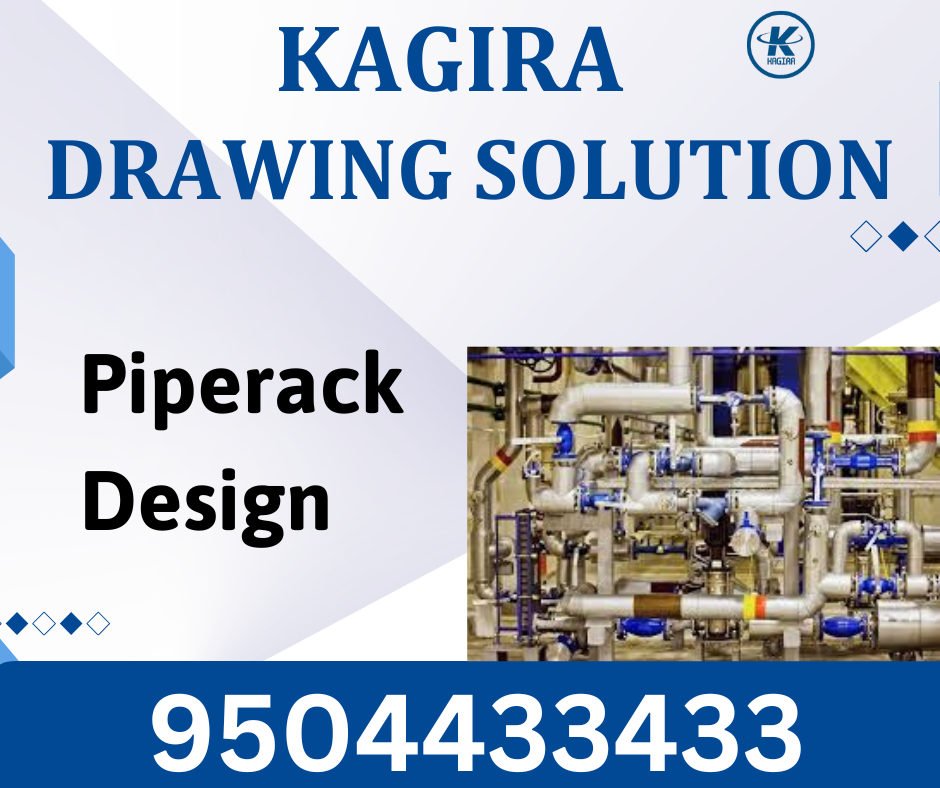
In the world of industrial piping, pipe racks serve as the structural backbone for routing process and utility lines across a facility. Whether in refineries, chemical plants, or power stations, pipe racks ensure safety, support, and efficient layout of piping systems.
1. Introduction to Pipe Rack Systems
-
Purpose and function of pipe racks
-
Pipe routing philosophies (straight, looped, branching)
-
Key differences: sleeper vs elevated rack
2. Structural Components
-
Columns, beams, bracings, base plates
-
Typical dimensions and spacing criteria
-
Material specifications (IS/ASTM/AISC)
3. Design Parameters
-
Pipe spacing, tier arrangement, expansion loops
-
Thermal growth and flexibility analysis
-
Support span & loads (dead, live, wind, seismic)
4. Load Calculation & Stress Considerations
-
Pipe weight with insulation/fluid
-
Load combinations and structural design
-
Civil/structural interface and foundation design
5. Codes and Standards
-
ASME B31.3, B31.1
-
AISC / IS 800 / Eurocodes
-
Company standards (L&T, EIL, TOYO)
6. 3D Modeling and Drafting
-
Use of AVEVA E3D, PDMS or Tekla
-
Creating pipe rack models with exact dimensions
-
Isometric and GA drawings
7. Project Work (Live Case Study)
-
Designing a pipe rack for a mini process plant
-
Load chart preparation
-
Structural BOM and detailing
Why Choose Us (Kagira-Inspired)
-
💼 Job-Oriented Curriculum
-
🏭 Real Project Experience
-
💻 Software-Based Design (E3D, Tekla, AutoCAD)
-
🧑🏫 Expert Trainers with Industry Background
Conclusion
Pipe Rack Design is a critical skill in piping and structural engineering. With industry increasingly adopting 3D design and integrated engineering, knowledge in this field opens doors to a wide range of career opportunities. Our Pipe Rack Design course empowers you to master these skills just like Kagira’s successful alumni – preparing you for real jobs in real projects.